
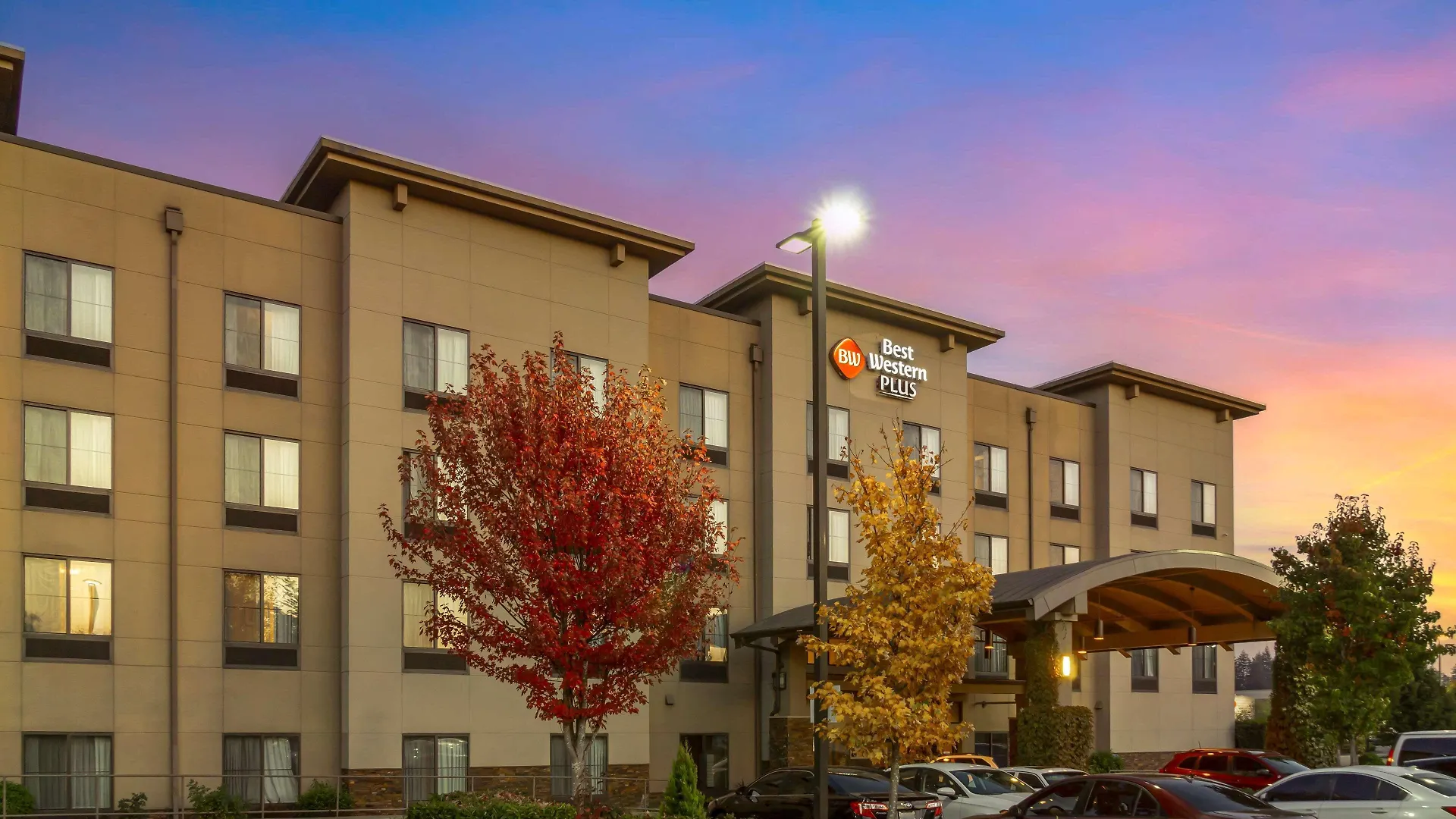
The Pacific Northwest spans three distinct states - Washington, Oregon, and Idaho - covering everything from volcanic mountain corridors and wine country valleys to Columbia River gorge towns and high desert ski gateways. Best Western Plus properties are consistently positioned near key highways, regional airports, and outdoor recreation hubs across this region, making them a practical anchor for both road trippers and destination travelers. This guide covers all 11 Best Western Plus hotels across the Pacific Northwest, with location-specific context to help you choose the right property for your itinerary.
What It's Like Staying in the Pacific Northwest
The Pacific Northwest is defined by its geographic contrasts: rainforest coastlines and volcanic peaks in Washington and Oregon give way to the high desert plateau of central Oregon and Idaho's lake-studded mountain valleys. Most destinations require a car - public transit exists in Seattle and Portland but disappears almost entirely once you move into wine country, ski towns, or river gorge communities. Around 60% of Pacific Northwest travelers are road-tripping between multiple stops, which makes highway-adjacent hotels with free parking a genuinely useful feature rather than a marketing bullet point.
Crowds peak sharply in July and August, particularly around national parks, ski-resort towns in summer, and Columbia River Gorge viewpoints. Shoulder seasons in May-June and September-October offer better rates and thinner crowds while still delivering dry weather. Travelers who prefer walkable urban neighborhoods will find limited options outside of Salem, Hood River, or Redmond - the smaller towns served by Best Western Plus properties here are car-dependent by design.
Pros:
- Exceptional variety of landscapes within a single road trip corridor - volcanoes, river gorges, wine valleys, and ski terrain all within a day's drive
- Highway-positioned hotels make multi-stop itineraries logistically simple with free parking at almost every property
- Year-round destination appeal: skiing in winter, hiking and wine tourism in summer, with shoulder seasons offering real value
Cons:
- Car dependency is non-negotiable outside major cities - most Best Western Plus locations here are not walkable to major attractions
- Summer peak season (July-August) drives up rates and crowds significantly at popular corridors like the Columbia River Gorge
- Weather unpredictability west of the Cascades, especially in fall and winter, can affect outdoor itinerary planning
Why Choose Best Western Plus Hotels in the Pacific Northwest
Best Western Plus properties in this region sit squarely in the 3-star tier, consistently offering features that genuinely matter on a Pacific Northwest road trip: free hot breakfast, indoor heated pools, and free parking - three amenities that independent boutique hotels in the same towns often charge extra for or don't provide at all. Room sizes in this brand category tend to run larger than budget motel chains, with microwaves and refrigerators standard across nearly all properties, which is practical for travelers spending multiple nights between outdoor activities.
Pricing across these 11 properties generally sits below comparable regional full-service hotels, making them a strong value in towns like Hood River or McCall where demand spikes seasonally and mid-range inventory is thin. The trade-off is that most properties lack full-service dining - though several offer vouchers or on-site restaurants - and the exterior aesthetic is functional rather than design-forward. Travelers prioritizing predictable quality over boutique character will find Best Western Plus the most reliable option in smaller Pacific Northwest towns where independent hotels vary widely in actual condition.
Pros:
- Free hot breakfast included at most properties - a meaningful saving over multiple nights in towns with limited dining options
- Indoor heated pools available at the majority of properties, usable year-round regardless of the notoriously variable Pacific Northwest weather
- Standardized room amenities (microwave, fridge, free Wi-Fi) make extended stays and self-catering easier without paying suite-tier rates
Cons:
- Limited on-site dining beyond breakfast - most properties depend on adjacent or nearby restaurants for lunch and dinner
- Exterior architecture and lobby design are functional rather than atmospheric, which matters in destination towns like Hood River where ambiance is part of the experience
- Loyalty program benefits are less competitive than Marriott or Hilton for frequent travelers accumulating points across a longer trip
Practical Booking & Area Strategy for the Pacific Northwest
The Pacific Northwest road trip corridor most travelers follow runs roughly along Interstate 5 (connecting Salem and the Willamette Valley) with eastward detours via Highway 2 (central Washington wine country through Zillah, Sunnyside, and Prosser), US-97 (Redmond and central Oregon), and Highway 14 (Columbia River Gorge through Washougal and Hood River). Positioning your hotel close to these highway junctions eliminates unnecessary backtracking - Hood River and the Columbia River Gorge area are particularly high-demand in summer, so booking at least 6 weeks in advance is advisable for July and August stays.
For ski-focused trips, McCall in Idaho (near Brundage Mountain) and Redmond in Oregon (the closest flat-terrain gateway to Mount Bachelor) offer Best Western Plus options that keep you within a reasonable drive of the slopes without paying resort-town premium rates. The Yakima Valley wine corridor - covered by properties in Zillah, Sunnyside, and Prosser - is best visited in September during harvest season, when tasting room access peaks but so does weekend demand. Lacey, Washington near Olympia is the most strategically central property if you're splitting time between the Olympic Peninsula and Mount Rainier, with the Washington State Capital just 7.5 miles away providing an easy orientation point.
Best Value Stays
These properties offer strong amenity packages at accessible price points, positioned in smaller regional towns where free parking, breakfast, and an indoor pool represent genuine savings over comparable alternatives.
-
1. Best Western Plus Lacey Inn & Suites
Show on map


 Check-infrom 15:00 until 23:59Check-outuntil 11:00
Just a few rooms left at the best rate!
fromUS$ 96
-
2. Best Western Plus Vintage Valley Inn
Show on map


 Check-infrom 15:00 until 23:59Check-outuntil 11:00
Just a few rooms left at the best rate!
fromUS$ 118
-
3. Best Western Plus Grapevine Inn
Show on map


 Check-infrom 15:00 until 23:59Check-outuntil 11:00
Just a few rooms left at the best rate!
fromUS$ 97
-
4. Best Western Plus The Inn At Horse Heaven
Show on map


 Check-infrom 15:00 until 23:59Check-outuntil 11:00
Just a few rooms left at the best rate!
fromUS$ 110
-
5. Best Western Plus Peppertree Inn At Omak
Show on map


 Check-infrom 16:00 until 23:59Check-outuntil 12:00
Hurry – almost gone at this price!
fromUS$ 98
-
6. Best Western Plus Caldwell Inn & Suites
Show on map


 Check-infrom 15:00 until 23:59Check-outuntil 11:00
Hurry – almost gone at this price!
fromUS$ 140
Best Premium Stays
These properties offer elevated locations, enhanced on-site amenities, or destination-town positioning that justifies a higher nightly rate - particularly for travelers whose itinerary centers on a specific landmark, river corridor, or ski resort.
-
7. Best Western Plus Hood River Inn
Show on map


 Check-infrom 16:00 until 23:59Check-outuntil 11:00
Hurry – almost gone at this price!
fromUS$ 128
-
8. Best Western Plus Port Of Camas-Washougal Convention Center
Show on map


 Check-infrom 15:00 until 23:59Check-outuntil 11:00
Hurry – almost gone at this price!
fromUS$ 112
-
9. Best Western Plus Mccall Lodge And Suites
Show on map


 Check-infrom 16:00 until 23:59Check-outuntil 11:00
Rooms filling fast – secure the best rate!
fromUS$ 176
-
10. Best Western Plus Rama Inn
Show on map


 Check-infrom 16:00 until 23:59Check-outuntil 11:00
Rooms filling fast – secure the best rate!
fromUS$ 139
-
11. Best Western Plus Mill Creek Inn
Show on map


 Check-infrom 15:00 until 23:59Check-outuntil 12:00
Rooms filling fast – secure the best rate!
fromUS$ 105
Smart Travel & Timing Advice for the Pacific Northwest
The Pacific Northwest divides cleanly into two travel seasons with different strategic implications. July and August are peak months across all 11 locations covered here - rates at Hood River and McCall can increase by around 40% compared to May or October, and availability at smaller properties like Omak or Zillah fills up faster than travelers typically expect. Booking at least 6 weeks ahead for any summer stay in a destination town (Hood River, McCall, Redmond) is strongly advisable.
For wine country properties in the Yakima Valley (Zillah, Sunnyside, Prosser), the September harvest window is the highest-demand period of the year - crush season brings tasting room events, harvest dinners, and winemaker weekends that fill hotels across the corridor within days of availability opening. May and early June offer the best value across the board: wildflowers are out on the Columbia River Gorge trails, ski resorts have closed, and hotel rates haven't yet moved into summer pricing. A 2-night minimum per base location makes the most logistical sense given driving distances - most Pacific Northwest itineraries cover 3 to 4 base locations over 7 to 10 days, with Best Western Plus properties offering a consistent quality baseline at each stop that reduces planning friction across a long road trip.


